
Electrical Vacuum Generation
Creating a vacuum without compressed air: Electrical vacuum generators for flexible, energy-efficient, and high-performance handling processes.
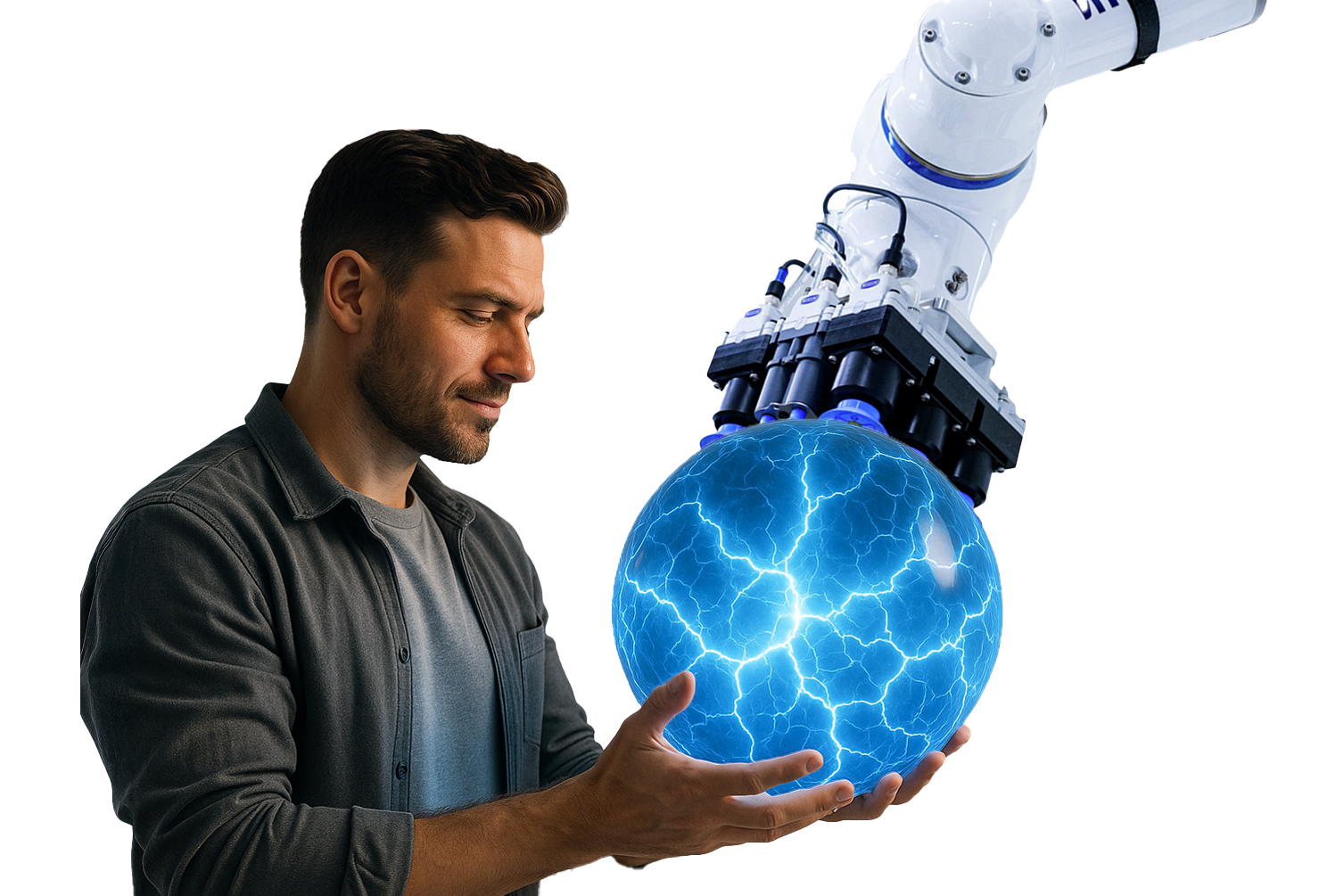
Creating a vacuum without compressed air: Electrical vacuum generators for flexible, energy-efficient, and high-performance handling processes.
Vacuum generation is at the heart of every gripping process. It has a significant impact on process reliability, cycle time, energy efficiency, and cost-effectiveness in an application.
With the increasing electrification of industry, electric vacuum generators are becoming increasingly important. They enable a compressed-air-independent vacuum supply, create new possibilities in system design, and form the basis for flexible, networked, and future-oriented automation concepts. Electric vacuum generators offer decisive advantages, particularly in mobile robotic applications, energy-optimized production lines, and flexible production environments.
Electric vacuum generators produce a vacuum using only electrical energy. Unlike pneumatic ejectors, they do not require a compressed air supply and can therefore offer new flexibility in machine and plant design.
Whether due to a lack of compressed air infrastructure or a high demand for suction capacity, the Schmalz portfolio offers the right solution for a wide variety of requirements. Different principles of operation ensure that the exact suction flow rates and vacuum levels required for handling, lifting, and clamping processes are achieved.
With its broad range of electrical vacuum technologies, Schmalz covers everything: from compact diaphragm pumps for decentralized applications to high-performance blowers for large suction flow rates.

Without the need for a compressed air supply, electric vacuum generators offer maximum flexibility in system design—from mobile robots to flexible manufacturing cells. They are also ideal for brownfield expansions.

A vacuum is generated directly from electrical energy. This can reduce energy consumption and lower operating costs over the long term.

From small workpieces to applications requiring high suction flow rates—electric vacuum generators offer the right power for a variety of requirements.

The compact shape of our variable-speed pumps allows for easy integration into robots, machines, and handling systems.

Our intelligent pumps provide real-time process and status data. This data forms the basis for condition monitoring and process optimization.

Understand the design, principle of operation, and areas of application.

Find the right vacuum generator for your application.

Discover Schmalz's electric vacuum generators.

Compare our technologies in terms of power, energy consumption, and applications.
"We want to create alternatives that reduce energy consumption and still function when no or too little compressed air is available."∼ Michael Pojtinger, Head of Business Development, Vacuum Automation
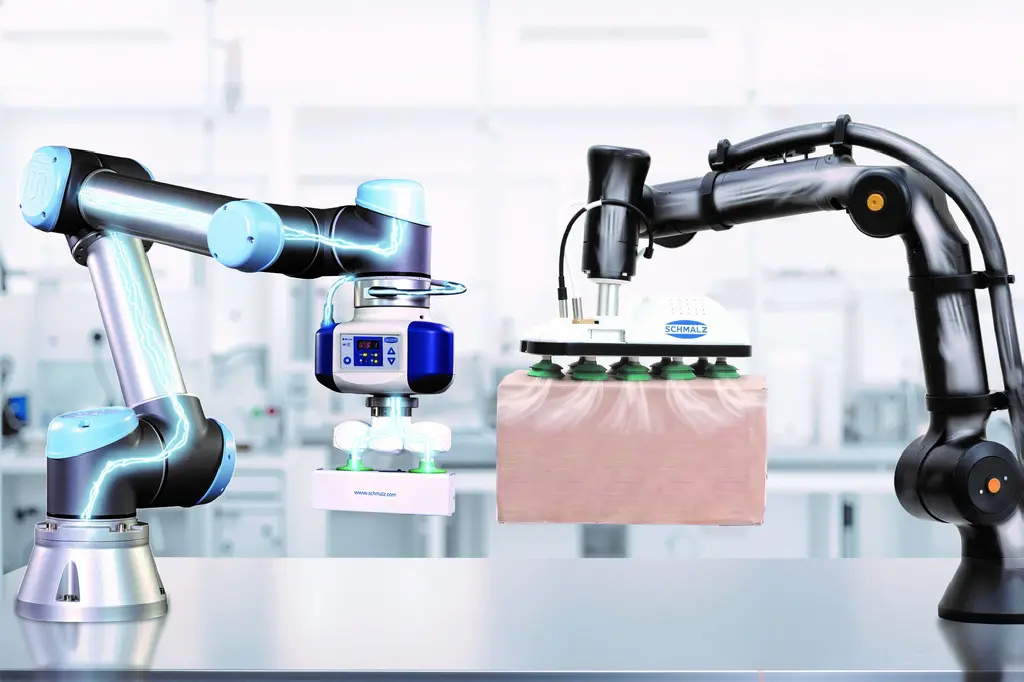
Electrical and pneumatic vacuum generators create a vacuum in different ways, and each has its own specific strengths. The optimal solution depends on factors such as cycle time, suction capacity, available infrastructure, and power supply.
Electric vacuum generators create a vacuum directly from electrical energy and do not require a compressed air supply. They are suitable for mobile robots, decentralized handling tasks, and centralized vacuum systems with high suction flow rates. They enable the easy integration of new automation solutions, particularly in brownfield projects.
Pneumatic ejectors generate a vacuum using compressed air. Thanks to their compact design and fast response times, they are particularly well-suited for highly dynamic pick-and-place processes. They are robust, low-maintenance, and offer high power density.
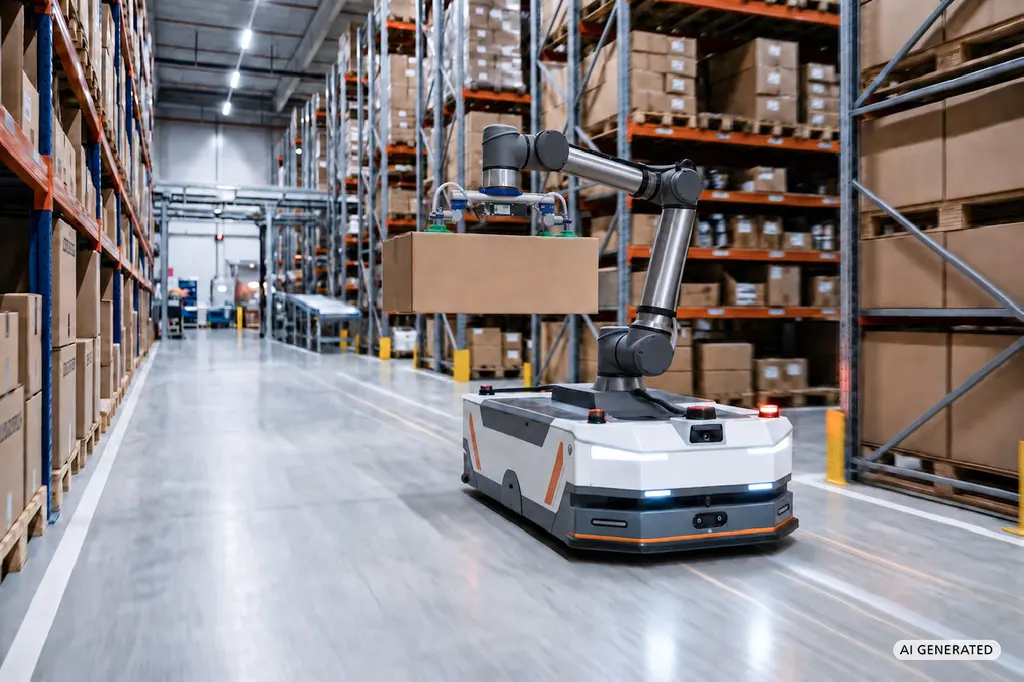
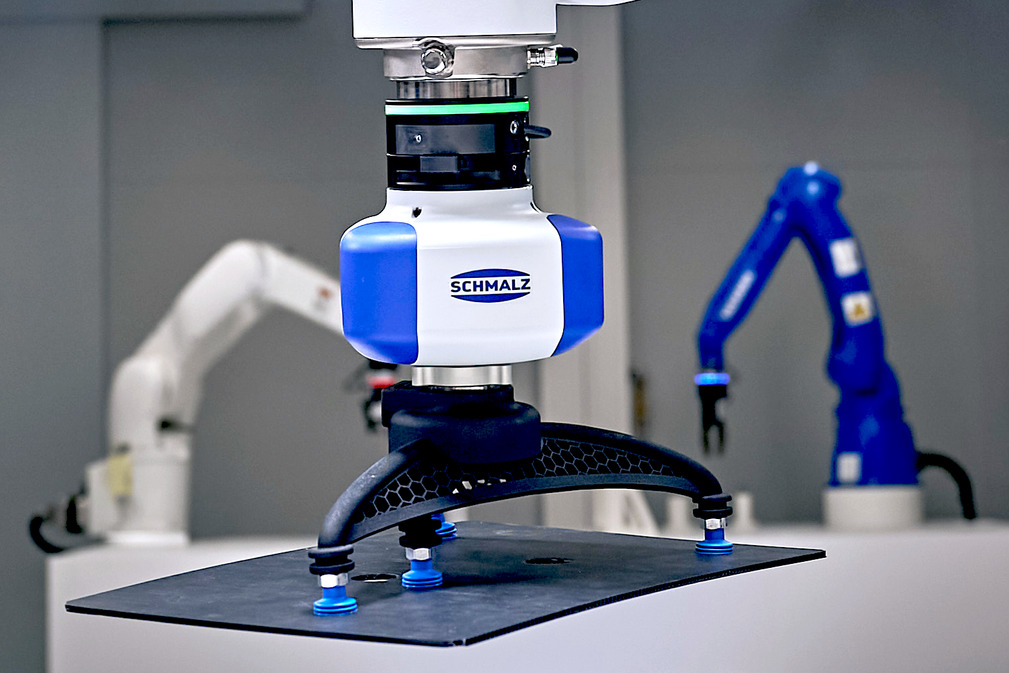
Designed specifically for mobile robotics, this solution combines high suction capacity, a compact design, and intelligent control—and sets new standards in energy efficiency, integration, and performance.
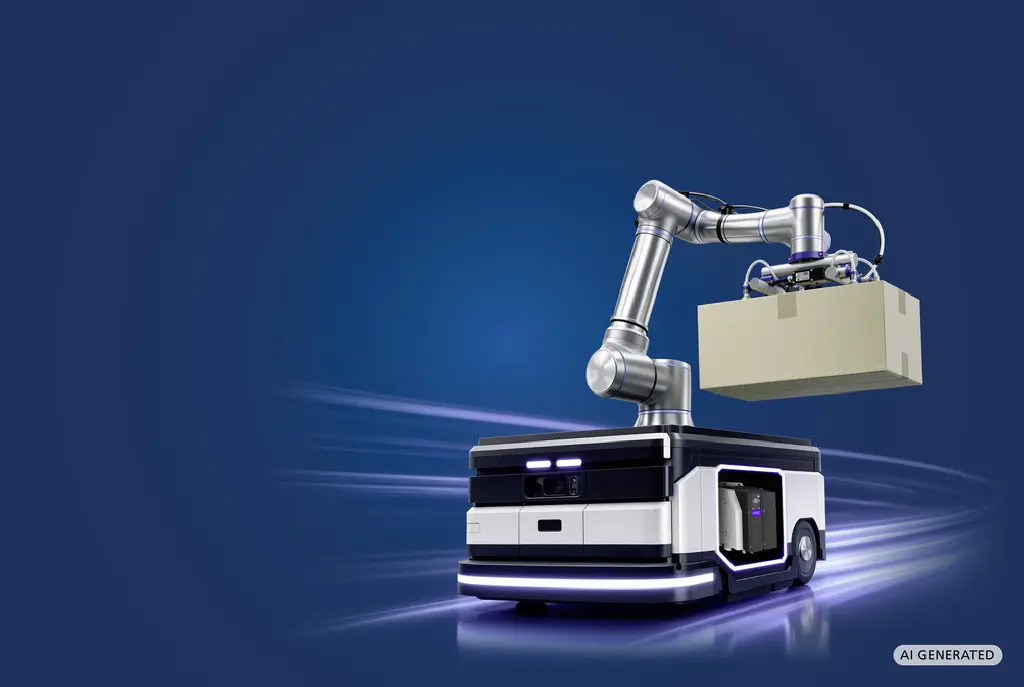

Logistics: carton erectors, palletizing, end-of-line processes in intra-logistics
Packaging: electrical vacuum technology for packaging machines, automated workpiece handling, end-of-line processes
Wood: gantry transfer of wooden beams, board removal in sawmills, carpentry automation
Glass: cutting processes in float glass production, building glass mounting, transport of sensitive glass sheets
Battery and electronics: stacking processes for pouch cells, printed-circuit board handling, electrical vacuum technology for CFRP components
General mechanical engineering: For example, injection molding part removal
Automotive: For example, body construction or final assembly of doors and windshields
Construction (outdoor): Building glass mounting with mobile lifting devices, handling of heavy components
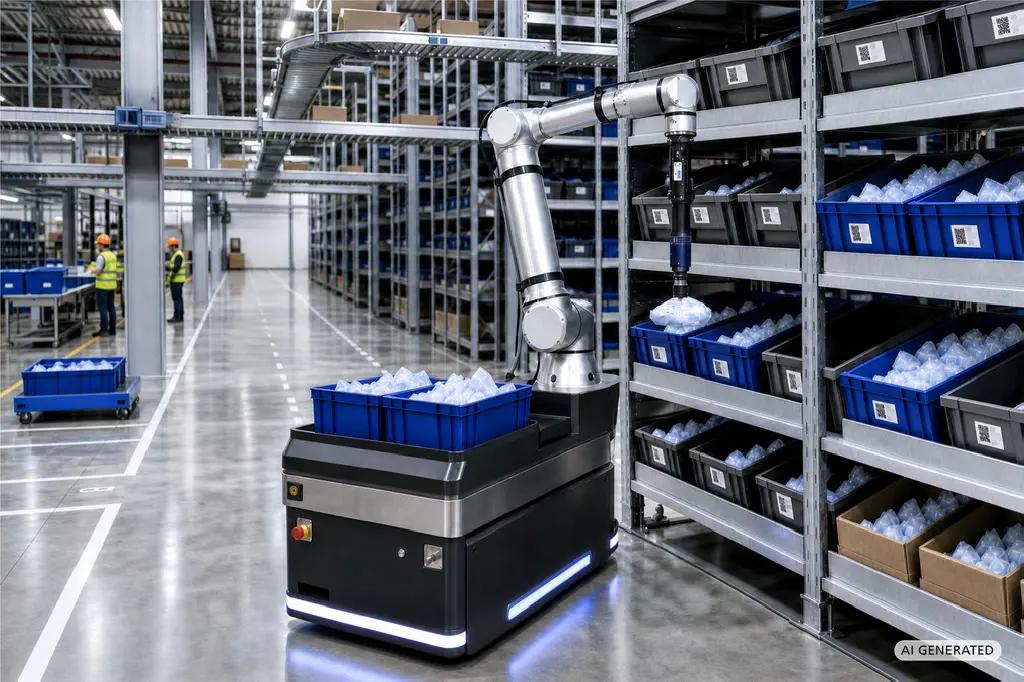
Vacuum Pump for Mobile Robots
With the intelligent vacuum pump GSP, Schmalz is introducing an electric vacuum generator for mobile robotics applications and intralogistics processes. The demand-based pump control and automatic leakage detection adapt the power output to actual needs. As a result, energy consumption is reduced by up to 90 percent compared to conventional electric vacuum generators.
New
Electrically Powered: How Vacuum Is Becoming Mobile
Modular factories, mobile robotics, and rising energy prices are fundamentally changing automation. In more and more cases, this is opening up an alternative to traditional compressed air systems: electrical vacuum generation, which offers new degrees of freedom. It enables self-sufficient gripping solutions, reduces energy losses, and is integrated seamlessly into digital manufacturing environments.
Energy saving in vacuum automation: pump instead of ejector
Compressed air is the basis for successful automation. This form of energy can be used in many ways and combines speed, power as well as low weight. However, the cost to generate it is relatively high, as electrical energy must be converted for this purpose via several efficiency losses. Even though the compressed air-less factory is merely mentioned as a buzzword for a trend, technological alternatives are needed right now to make vacuum automation independent of the compressed air hose.
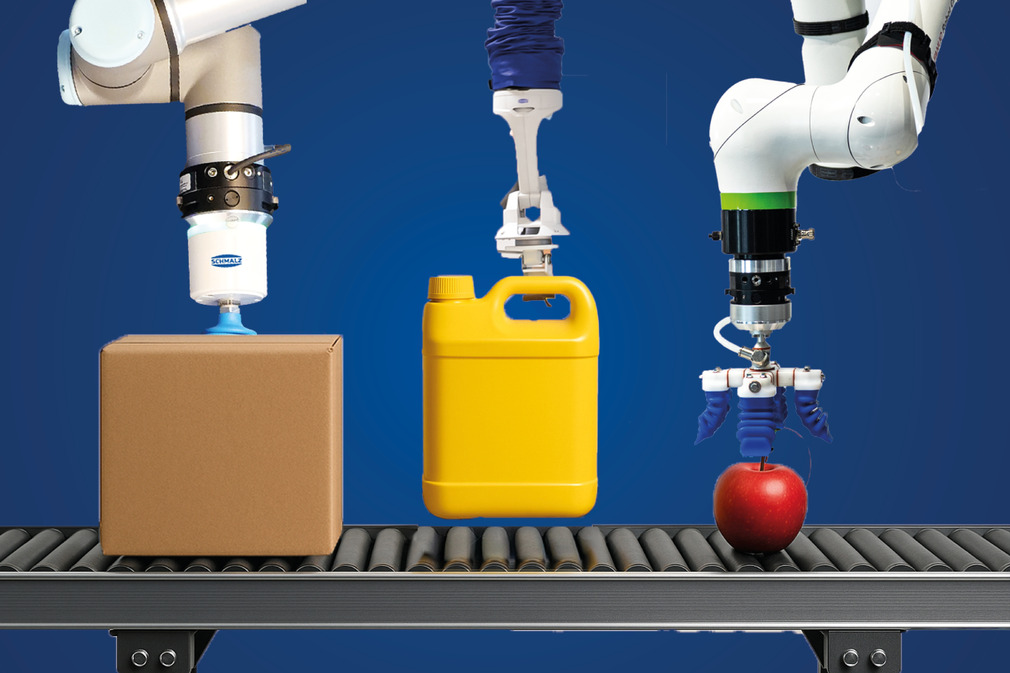
Discover how Schmalz shapes innovations for the future with cutting-edge technologies and deep know-how.
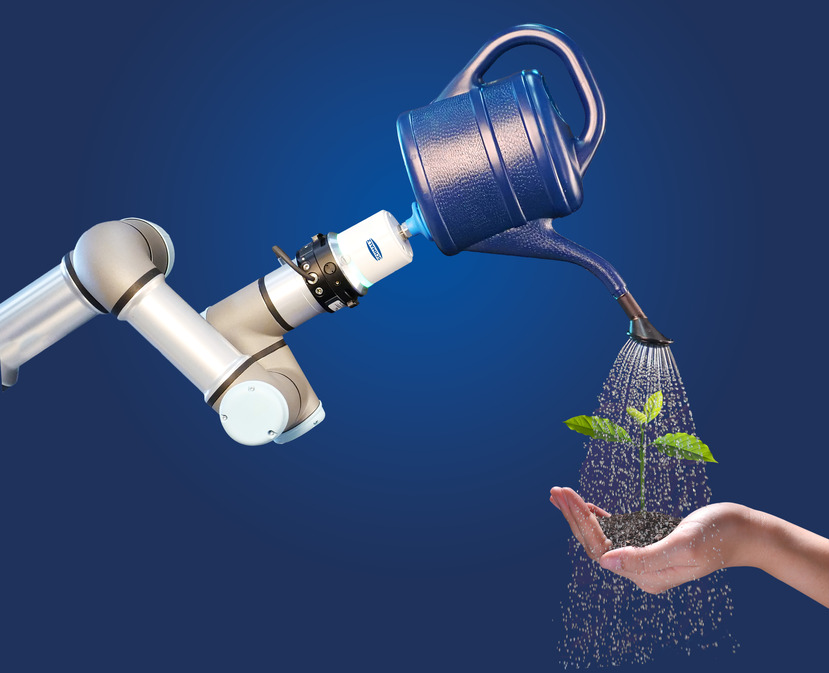
Sustainable products with a tangible impact: innovations from Schmalz reduce emissions along the supply chain and lower energy costs.
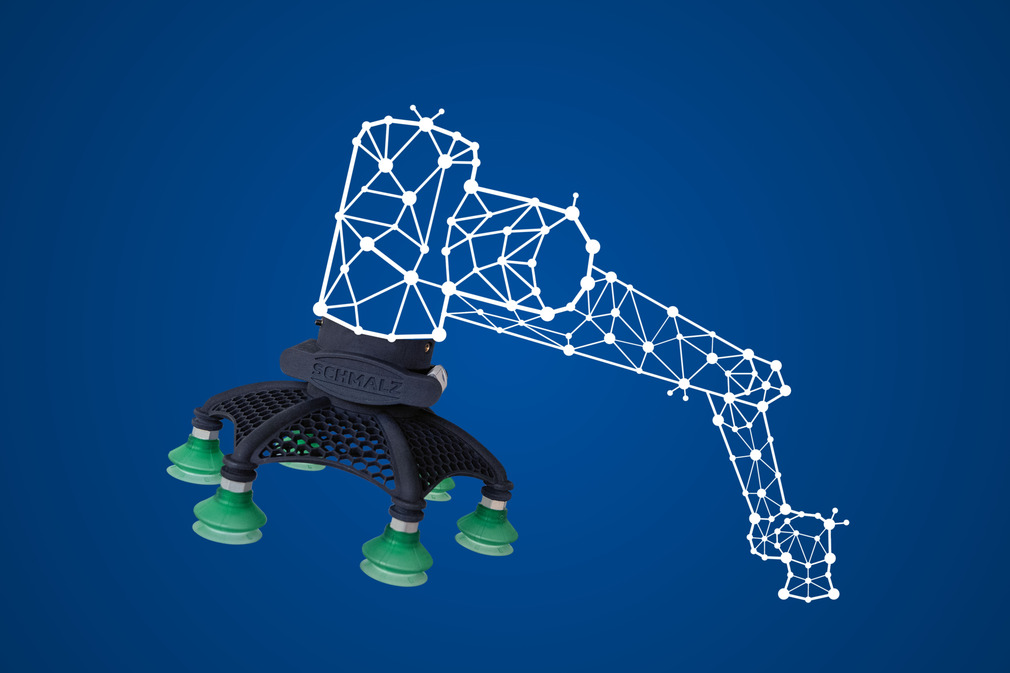
All-round efficient gripping: EOAT solutions from Schmalz for versatile, process-reliable handling in automation.

Robotics solutions from Schmalz are characterized by maximum precision, safety and process control in the gripping process.

3001-7 Odana-cho
Tsuzuki-ku
224-0027 Yokohama